


 News
News

 News
News
From March 3 to 5, 2026, Professor Geng Yong, Chair of the Committee on Engineering and the Environment (CEE) at World Federation of Engineering Organizations (WFEO) and Dean of China-UK Low Carbon College (LCC), was invited to Jakarta, Indonesia, to participate in the global celebrations of 2026 World Engineering Day. The event was co-hosted by the United Nations Educational, Scientific and Cultural Organization (UNESCO), World Federation of Engineering Organizations (WFEO) and the Institution of Engineers Indonesia (PII).

The theme for this year’s event is "Smart Engineering for a Sustainable Future through Innovation and Digitalization", aiming to establish a vital platform for exchange and cooperation within the global engineering community, showcase practical achievements in engineering innovation and digital technology that drive sustainable development, promote the deep integration of engineering technologies with industry, policy, and social needs, thus to explore engineering solutions for global challenges collectively.
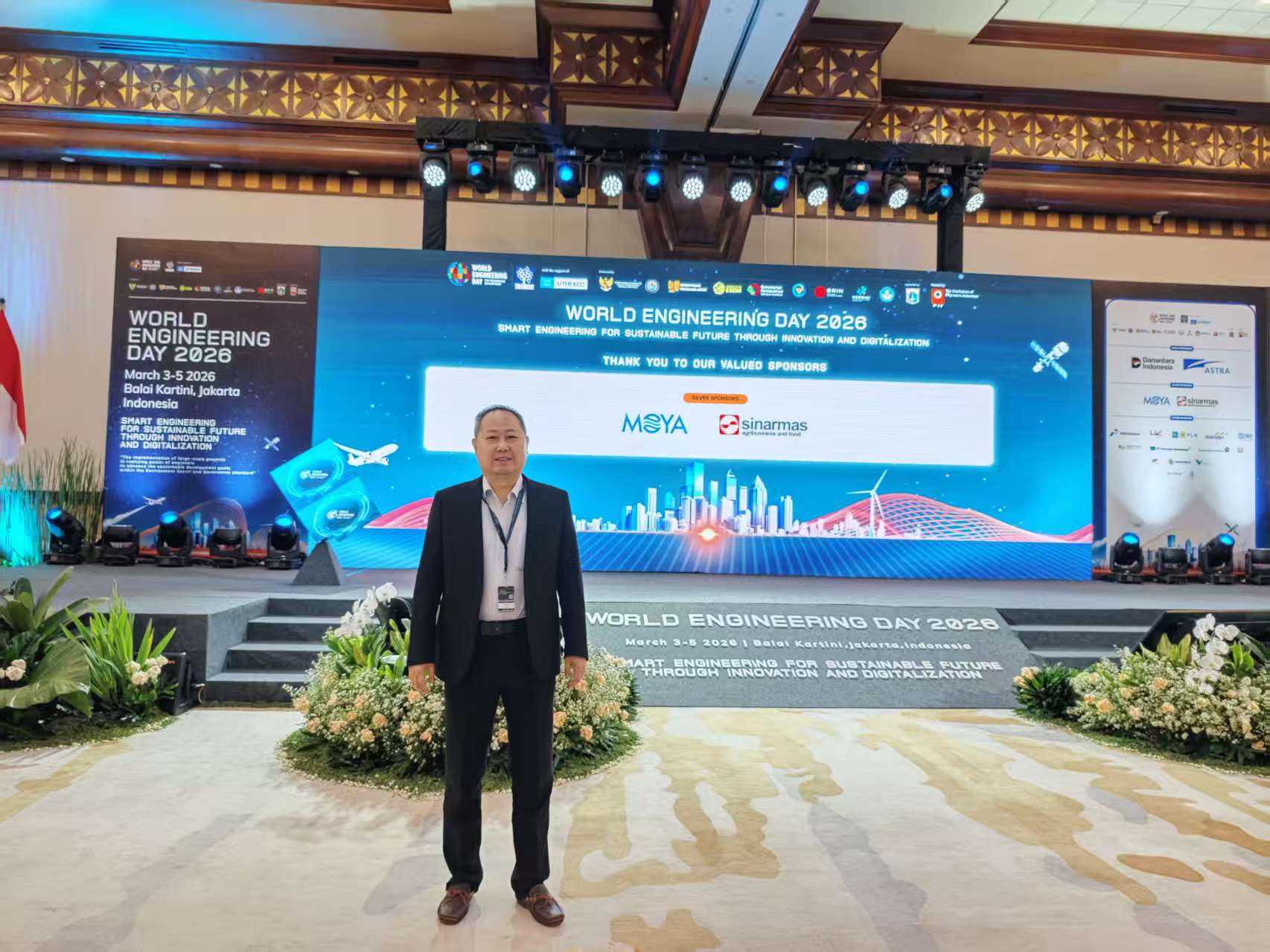
On March 3, during the WFEO Executive Committee meeting, Professor Geng Yong presented the key work plan for 2026 on behalf of CEE. Centred on the role of engineering and technology in serving the global sustainable development agenda, the report provided a systematic overview of the committee’s strategic approach and key tasks in advancing green engineering, strengthening international cooperation in the engineering sector, promoting engineering capacity building, and deepening the engineering community's engagement with the Sustainable Development Goals (SDGs). The report attracted considerable attention and sparked lively discussions among the delegates.
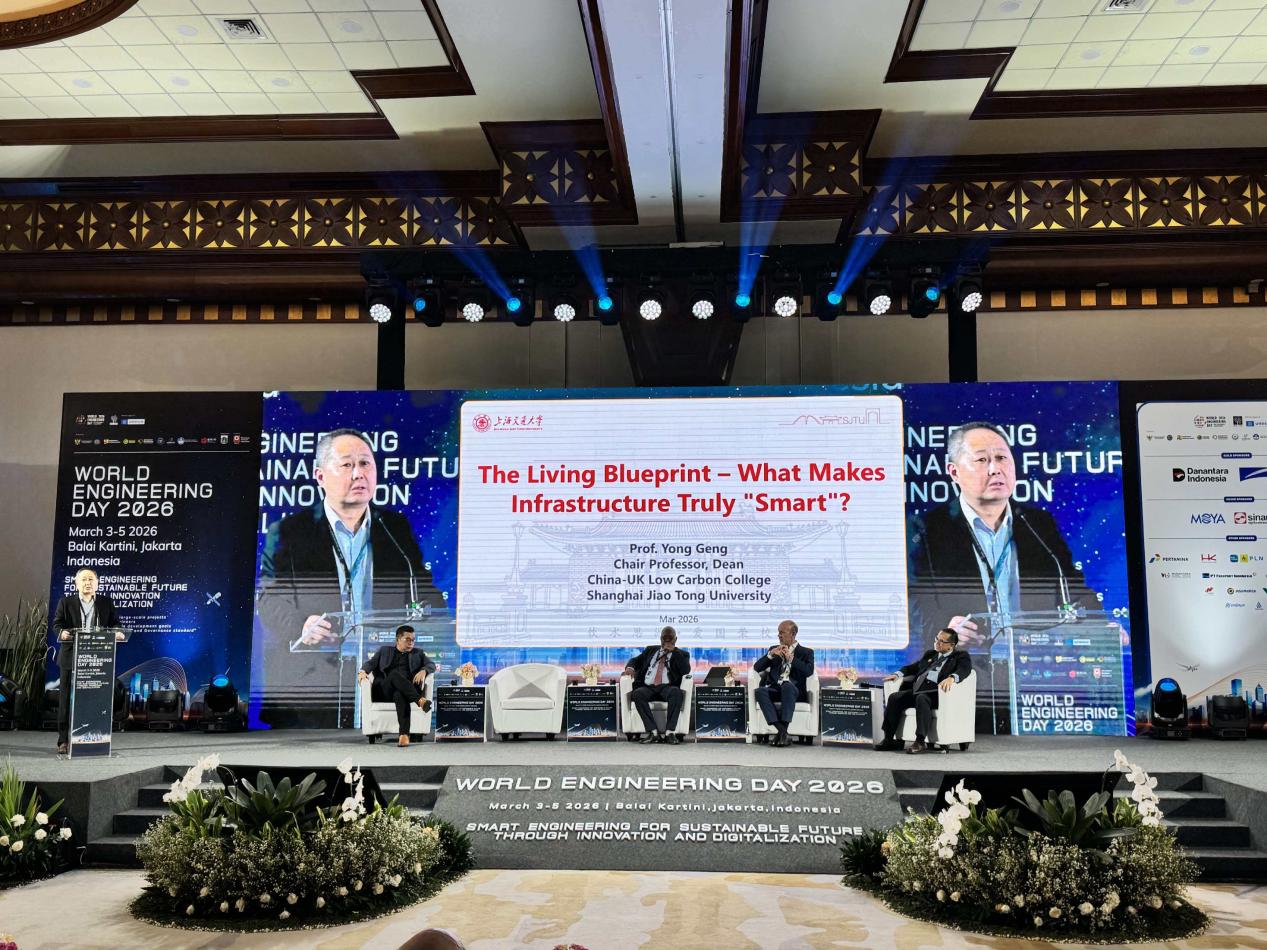
From March 4 to 5, Professor Geng participated in the World Engineering Day theme activities and delivered a keynote speech entitled "The Living Blueprint – What Makes Infrastructure Truly ‘Smart’?" at the conference’s sub-forum "Panel 1: Smart Engineering for Sustainable Infrastructure".
From the perspective of the synergistic development of engineering and ecosystems, Professor Geng proposed four core principles for advancing the development of smart infrastructure: "reducing resource consumption and promoting green transition, improving circular metabolism and resource efficiency, strengthening ecological boundary constraints through data technology, and taking nature as technology." The report systematically outlines the practical pathways for driving infrastructure toward low-carbon, resilient and sustainable development through efficient resource utilization, the empowerment of digital technology and the integration of nature-based solutions, attracting widespread attention from the attending experts and academics.
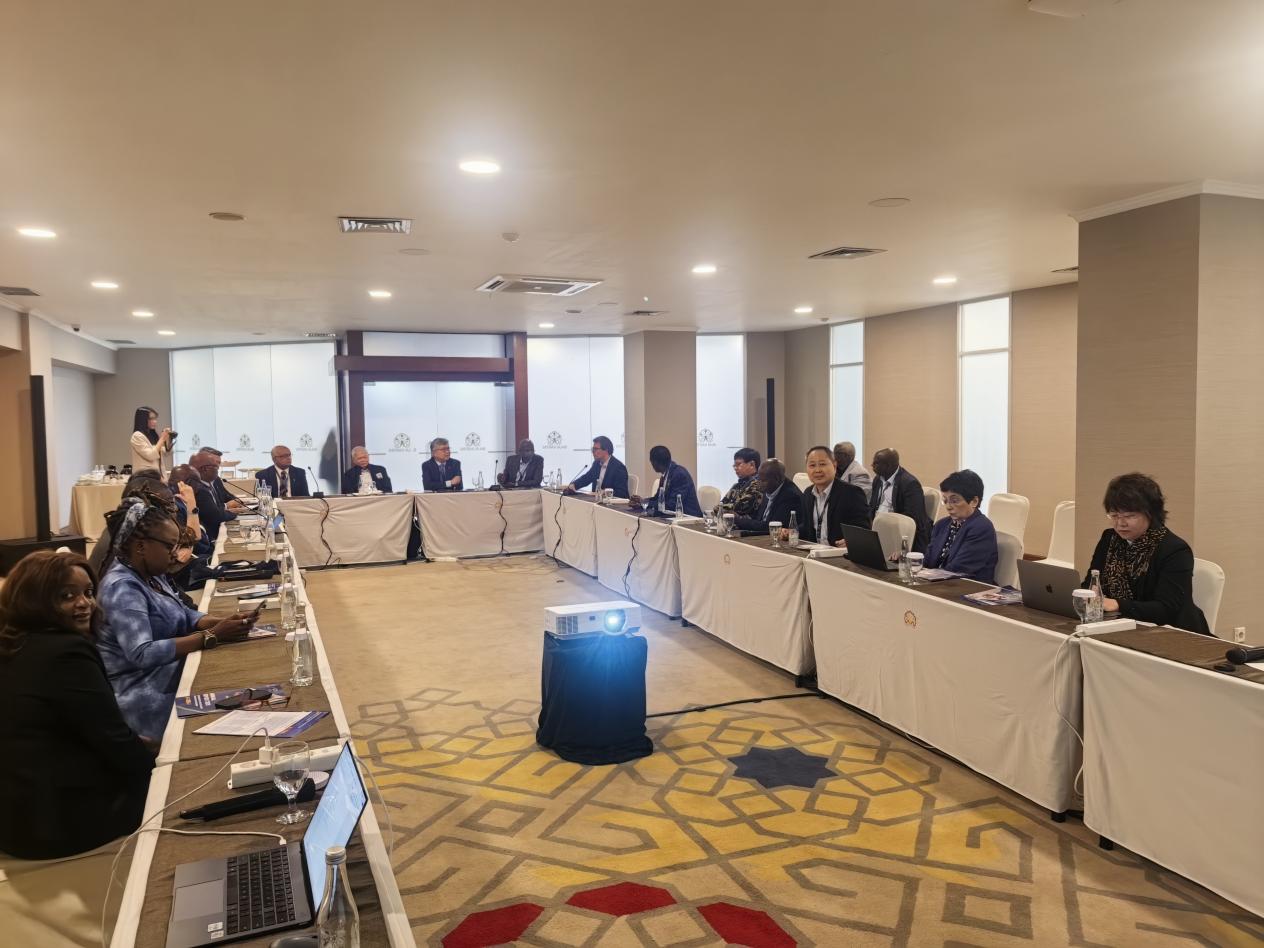
On the afternoon of March 5, the WFEO Standing Committee meeting was successfully held. The meeting centred on discussions regarding the annual priorities of WFEO, with a particular focus on the global engineering community’s support for the United Nations 2030 Agenda for Sustainable Development, strengthening engineering education and capacity building, deepening international cooperation, and enhancing the global influence of engineering organizations.
World Engineering Day, celebrated annually on March 4, is a major international event approved by UNESCO, aimed at highlighting the critical role of engineering and technology in promoting sustainable development, improving human well-being and addressing global challenges. Professor Geng Yong’s participation in the event on behalf of WFEO-CEE and the keynote speech he delivered have further enhanced the academic influence in international engineering and sustainable development of LCC, whilst also making a positive contribution to promoting the Chinese engineering community's deep engagement in global engineering governance and sustainable development issues.

